A note for users in Canada
Scenic Canadian Road Trips & Outdoor Getaways
Highway 93 North between Lake Louise and Jasper: one fuel stop, no signal, and a Parks Canada pass on the dash.
Quick Facts: Icefields Parkway at a Glance
| Category | Details for Canadian Road Trippers |
|---|---|
| Route | Highway 93 North (Lake Louise to Jasper, Alberta) |
| Distance & Drive Time | 232 km (144 miles); 3 hours non-stop, but plan for 8 to 10 hours with stops. |
| Peak Season | July to August (Warmest weather, full accessibility, heavy traffic); June and September offer fewer crowds. |
| Winter Driving Requirements | Winter tires (M+S or mountain snowflake symbol) are legally required from November 1 to April 1. Snow closures are common. |
| Permits Required | Parks Canada Discovery Pass or daily National Park entry pass. |
| Cellular Coverage | Virtually zero cell reception between Lake Louise and Jasper townsite. |
| Fuel Services | Only ONE fuel station along the entire route (Saskatchewan River Crossing — seasonal and expensive). |
There are few drives on the planet that match Highway 93 North, better known as the Icefields Parkway. Winding 232 kilometres through the heart of the Canadian Rockies, this stretch of road connects Banff National Park to Jasper National Park. For Canadians seeking the ultimate domestic outdoor getaway, it offers an immediate, visceral connection to alpine wilderness: massive glaciers, turquoise glacial lakes, steep mountain passes, and frequent wildlife sightings.
However, turning this iconic highway drive into a seamless road trip requires realistic planning rather than blind romanticism. Navigating peak summer traffic, securing elusive Parks Canada shuttle reservations, dealing with extensive cell phone dead zones, and budgeting for soaring gas prices at isolated stops are all part of the equation. Whether you are driving a camper van from Calgary, taking a family road trip in an SUV, or planning a multi-day hiking adventure, executing this trip smoothly comes down to timing and preparation.
This comprehensive guide covers everything Canadian travellers need to know before putting their wheels on the Icefields Parkway. From mandatory park passes and gas station logistics to realistic hiking expectations and safety precautions, here is your practical breakdown of Alberta’s premier road trip route.
Location, Access, and Route Dynamics
The Icefields Parkway begins just north of Lake Louise (180 km west of Calgary International Airport - YYC) and terminates at the Jasper townsite. If you are flying into Alberta, picking up a rental car or RV at YYC is the standard entry point. Driving directly from Edmonton (YEG) into Jasper to run the Parkway from north to south is an equally viable option that allows you to avoid the heaviest Calgary traffic corridors.
While the distance itself is short — just over 230 kilometres — treat this as a full-day commitment. Speed limits are strictly set to 90 km/h (55 mph) throughout the parkway to protect both drivers and roaming wildlife. During peak months, slow-moving RVs, commercial tour buses, and sudden "bear jams" (traffic standstills caused by wildlife on the shoulder) mean your average speed will be significantly lower than on provincial highways.
If you plan to drive the route between late October and May, be aware that the Parkway is a remote, mountain highway with limited snow removal services compared to the Trans-Canada (Highway 1). Avalanches frequently force temporary road closures, and there are no streetlights along the route. Check the Alberta 511 road condition portal before departing.
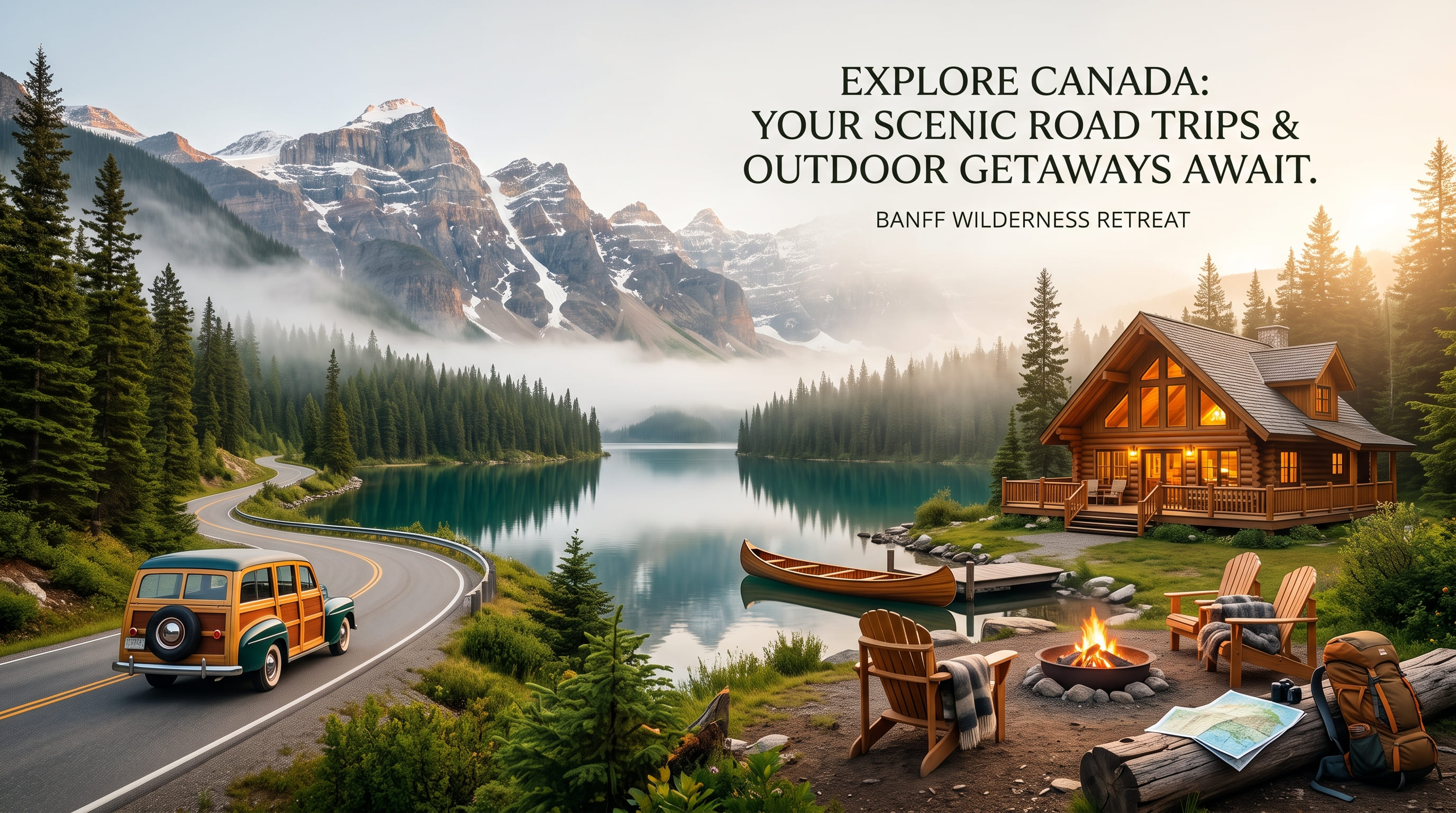
Driving Highway 93 North requires navigating high alpine passes where mountain weather changes rapidly.
Accommodation & Camping Realities
Accommodations directly along Highway 93 North are sparse and book out months in advance. Your primary options fall into three distinct categories: historic wilderness hostels, Parks Canada campgrounds, and a handful of high-end mountain lodges.
For campers, Parks Canada operates several campgrounds along the route, including Silverhorn Creek, Waterfowl Lakes, and Wilcox Creek. While large sites like Wilcox or Crestmere accept online reservations via the Parks Canada website, several smaller campgrounds operate strictly on a first-come, first-served basis. During July and August, these unreserved sites are completely filled by 10:00 AM. If you are sleeping in a soft-sided tent, note that some sites may enforce hard-sided vehicle rules if bear activity is high in the area.
If camping is not your preference, HI Hostels operates rustic outposts (HI Mosquito Creek, HI Rampart Creek, HI Beauty Creek) that offer low-cost dorms and private rooms, though many lack running water or indoor plumbing. For full-service comfort, accommodations are limited to properties like the Glacier View Lodge at the Columbia Icefield or Sunwapta Falls Rocky Mountain Lodge. Expect to pay premium rates — often $400 to $700 CAD per night during peak summer weekends — for the convenience of staying on the highway itself.
Food, Fuel, and Supply Logistics
Self-sufficiency is mandatory on the Icefields Parkway. The most critical mistake first-time road trippers make is failing to fill their fuel tank before hitting the highway. There is only one operational gas station on the entire 232 km stretch: Saskatchewan River Crossing (located roughly 76 km north of Lake Louise). Fuel prices here carry a massive markup compared to Banff, Canmore, or Jasper — often 30 to 50 cents more per litre. Always top off your gas tank completely in Lake Louise or Jasper before starting out.
Dining options along the Parkway are equally restricted. Aside from the cafeterias at the Columbia Icefield Centre and the seasonal grill at Saskatchewan River Crossing, there are no restaurants or convenience stores. Pack a heavy-duty cooler stocked with food, snacks, and extra drinking water.
Pro tip for Canadian road trippers: stock up at major grocery stores in Calgary, Canmore, or Hinton before entering the national parks. Grocery prices at the small markets inside Lake Louise and Jasper are elevated, and selection can be limited during peak tourist surges.
The short, paved trail to Peyto Lake Upper Lookout offers one of the most famous views in the Canadian Rockies.
Must-See Scenic Stops and Trailheads
To maximize your day on the Parkway without suffering from scenic fatigue, prioritize these key locations along the north-bound route from Lake Louise to Jasper:
- Bow Lake & Crowfoot Glacier (Km 34): A massive, accessible glacial lake located right beside the highway. Historic Num-Ti-Jah Lodge sits on its shore, serving as the starting point for the hike to Bow Glacier Falls.
- Peyto Lake / Bow Summit (Km 40): Famous for its wolf-head shape and intense turquoise colour. A paved, uphill 15-minute walk from the parking lot brings you to the newly renovated viewing platform. The parking lot fills completely by 9:00 AM in summer; use the upper parking lot only if you hold a designated handicap accessibility permit.
- Saskatchewan River Crossing (Km 76): The major junction where Highway 11 meets Highway 93. A key rest stop for washrooms and emergency fuel.
- Columbia Icefield & Athabasca Glacier (Km 127): The hydrological apex of North America. You can view the receding Athabasca Glacier from the toe-of-the-glacier walking trail for free, or pay for commercial tours like the Ice Explorer all-terrain vehicles and the Skywalk glass platform.
- Sunwapta & Athabasca Falls (Km 175 & Km 200): Powerful waterfalls carving through deep limestone canyons. Both feature paved walking paths, bridges, and designated viewing platforms, making them easily accessible for families.
Money Matters for Canadians
While this is a domestic trip, budgeting for national park access and regional surcharges is essential. You cannot drive or park along the Icefields Parkway without a valid Parks Canada Pass displayed on your vehicle’s dashboard or rearview mirror.
If your trip spans more than 7 days across any Canadian National Park within a 365-day period, purchasing a Parks Canada Discovery Pass (around $151.25 CAD for a family/group or $75.25 CAD for an adult) is significantly cheaper than buying daily entry passes at the park gates. The Discovery Pass covers entry to Banff, Jasper, Yoho, Kootenay, and dozens of other parks nationwide.
When budgeting, factor in elevated fuel costs, potential shuttle fees (such as the Parks Canada Moraine Lake / Lake Louise Park & Ride system if you extend your trip around Banff), and high accommodation rates. Debit cards and major Canadian credit cards are accepted universally at established lodges and official Parks Canada facilities, but carry a small amount of cash for rustic hostel fees or firewood purchases at campgrounds.
Road Trip Evaluation
| Criteria | Rating (1 to 5) | Comment for Canadian Drivers |
|---|---|---|
| Scenery & Natural Beauty | 5/5 | Unmatched alpine views, glaciers, and mountain lakes accessible directly from the asphalt. |
| Road Quality & Navigation | 4/5 | Wide, well-maintained two-lane highway in summer; challenging with snow and ice in winter. |
| Highway Amenities | 2/5 | Extremely limited food, water, and fuel stops. High self-sufficiency required. |
| Accessibility | 4/5 | Major viewpoints (Peyto, Bow Lake, Athabasca Falls) feature paved paths and accessible ramps. |
| Wildlife Sightings | 5/5 | High probability of spotting grizzlies, black bears, bighorn sheep, elk, and mountain goats. |
| Value for Money | 4/5 | Park passes are affordable, but nearby lodging and fuel carry heavy tourist premiums. |

Athabasca Falls near Jasper showcases the immense power of glacial meltwater carving through rock canyons.
Pros and Cons of the Icefields Parkway
- The Pros:
- World-class mountain scenery without requiring strenuous backcountry hiking.
- Exceptional wildlife viewing opportunities directly along the highway shoulders.
- Seamless connectivity between Banff, Yoho, Kootenay, and Jasper National Parks.
- Well-marked trails and viewing platforms maintained to high safety standards by Parks Canada.
- The Cons:
- Severe parking congestion at top sights (Peyto Lake, Columbia Icefield) between 10:00 AM and 4:00 PM.
- Complete loss of cellular service for over 180 kilometres of the drive.
- High cost of accommodation and single-source fuel along the route.
- Unpredictable mountain weather, including summer snowstorms at high pass elevations (Bow Summit).
Who is this Road Trip For?
- Outdoor Enthusiasts & Hikers: Access to dozens of world-class day hikes (Parker Ridge, Wilcox Pass, Helen Lake) starting directly off the highway.
- Photography & Nature Buffs: Incredible light conditions, turquoise waters, and dramatic alpine landscapes at every pullout.
- Canadian Families: A educational domestic getaway showing children glaciers, unique ecosystems, and iconic Canadian fauna.
Who Should Look for an Alternative?
- Drivers Uncomfortable with Remote Conditions: If driving without cell reception or dealing with long gaps between gas stations causes anxiety, stick to the main Trans-Canada Highway corridor.
- Budget Travellers Seeking Cheap Hotels: You will not find budget chain motels along the Parkway. Camping or staying in outer gateway towns (like Hinton or Golden) is required to keep costs low.
- Winter Drivers Without Cold-Weather Experience: Driving Highway 93 North between November and April requires experience navigating black ice, heavy snowpack, and zero roadside assistance.
Safety, Cell Service, and Health Considerations
Safety on the Icefields Parkway centers around two major factors: isolation and wildlife encounters.
Because there is no cell coverage along 80% of the highway, download offline maps (Google Maps or Maps.me) onto your phone before leaving Banff or Jasper. Consider carrying a satellite communication device (such as a Garmin inReach) if you plan on doing backcountry day hikes away from the main road pullouts. Ensure your vehicle’s spare tire is fully inflated and that you carry a basic emergency kit with extra blankets, food, and water.
Wildlife Safety & Etiquette: You are driving through active grizzly and black bear habitat. If you spot a bear on the roadside, do not exit your vehicle under any circumstances. Pull completely off the road onto the shoulder to let traffic pass, take your photo quickly, and move on to prevent dangerous traffic jams. If hiking any trail along the Parkway, always carry bear spray in an easily accessible chest or hip holster (not packed deep inside your backpack) and know how to use it.
Out-of-Province Medical Insurance: For Canadians travelling outside their home province, standard provincial health insurance (like Ontario’s OHIP or BC’s MSP) has limited coverage across provincial borders. While basic physician visits are typically covered via interprovincial agreements, services like air ambulance evacuation, ground ambulance transport, and specialized mountain rescue are often not covered. Ensure your personal benefits or travel insurance policy includes out-of-province medical and rescue coverage before embarking on a mountain road trip.
Final Verdict: Is the Icefields Parkway Worth It?
Without question, the Icefields Parkway lives up to its reputation as one of the premier mountain drives in the world. For Canadians looking to explore their own backyard, it delivers a dense concentration of natural wonders within a single day's drive. Provided you fill your tank in Lake Louise, pack your lunch, download offline maps, and give yourself enough time to navigate the summer crowds, it is an unforgettable domestic road trip that belongs on every Canadian traveler's bucket list.
Five stops, north from Lake Louise
The review lists these pulls in order. Choose one to reread the kilometre and what is actually there. It is not a road report.
Kilometre 34
Bow Lake and Crowfoot Glacier sit beside the highway. Num-Ti-Jah Lodge is on the shore and is the start of the hike to Bow Glacier Falls.
Kilometre 40
Peyto Lake at Bow Summit is the wolf-head view. The paved walk up to the platform takes about 15 minutes. In summer the lot is full by 9:00 AM. The upper lot is for a designated accessibility permit.
Kilometre 76
Saskatchewan River Crossing is where Highway 11 meets Highway 93. It is the washroom stop and the only fuel station on the 232 km route. Prices run 30 to 50 cents a litre above Banff, Canmore, or Jasper, and the station is seasonal.
Kilometre 127
The Columbia Icefield and Athabasca Glacier. The toe-of-the-glacier walk is free. The Ice Explorer and the Skywalk are paid commercial tours.
Kilometres 175 and 200
Sunwapta Falls and Athabasca Falls cut limestone canyons. Both have paved paths, bridges, and viewing platforms.
Questions before you leave Lake Louise
Do I need a Parks Canada Pass just to drive through the Icefields Parkway?
Yes. Because Highway 93 North passes entirely through Banff and Jasper National Parks, all vehicles stopping at viewpoints, trailheads, or rest areas must display a valid Parks Canada Pass. If you are driving non-stop without making any stops whatsoever, a pass is technically not required, but stopping is the entire point of the road trip.
Where can I fill up my gas tank along the Parkway?
The only gas station on the Parkway is located at Saskatchewan River Crossing (Km 76 from Lake Louise). Because fuel here is expensive and the station operates seasonally (closed in deep winter), always fill your tank completely in Lake Louise, Canmore, Banff, or Jasper before starting out.
Is there cell phone reception on the Icefields Parkway?
No. Cellular signal cuts out shortly after leaving Lake Louise and does not return until you approach the Jasper townsite. Wi-Fi is available for a fee at the Columbia Icefield Discovery Centre, but you should download all maps and travel information for offline use beforehand.
Can I drive the Icefields Parkway in the winter?
Yes, but it is a serious winter driving route. Highway 93 North is maintained, but it is not salted or sanded as frequently as main highways. Winter tires (marked with M+S or the snowflake symbol) are legally mandated from October 1 to April 30. There are no open gas stations or services along the route in winter, and temporary closures due to avalanche control are common.
How do I avoid crowds at popular spots like Peyto Lake and Columbia Icefield?
Start your drive early in the morning (by 7:00 AM or 8:00 AM from Lake Louise or Jasper). Tour buses and peak traffic hit major sights between 10:30 AM and 3:30 PM. Visiting key stops during early morning or early evening hours provides much easier parking and quieter trail conditions.
Are dogs allowed on the trails along the Icefields Parkway?
Yes, pets are permitted on almost all trails along the Parkway, provided they are kept on a physical leash (maximum 3 metres / 10 feet long) at all times to protect wildlife and prevent bear interactions. Pets are generally not allowed inside commercial tour vehicles, such as the Ice Explorer glacier buses.
Fill the tank, then open the map
The packing note is the checklist for the documents in the glove box. The home note is the winter flight that this highway is not.
Open the packing note Back home